2024 E-Commerce Trends Recap — What Actually Moved Revenue
The Shopify and e-commerce trends that actually moved revenue in 2024 — what to keep, what to cut, and where to invest in 2025.
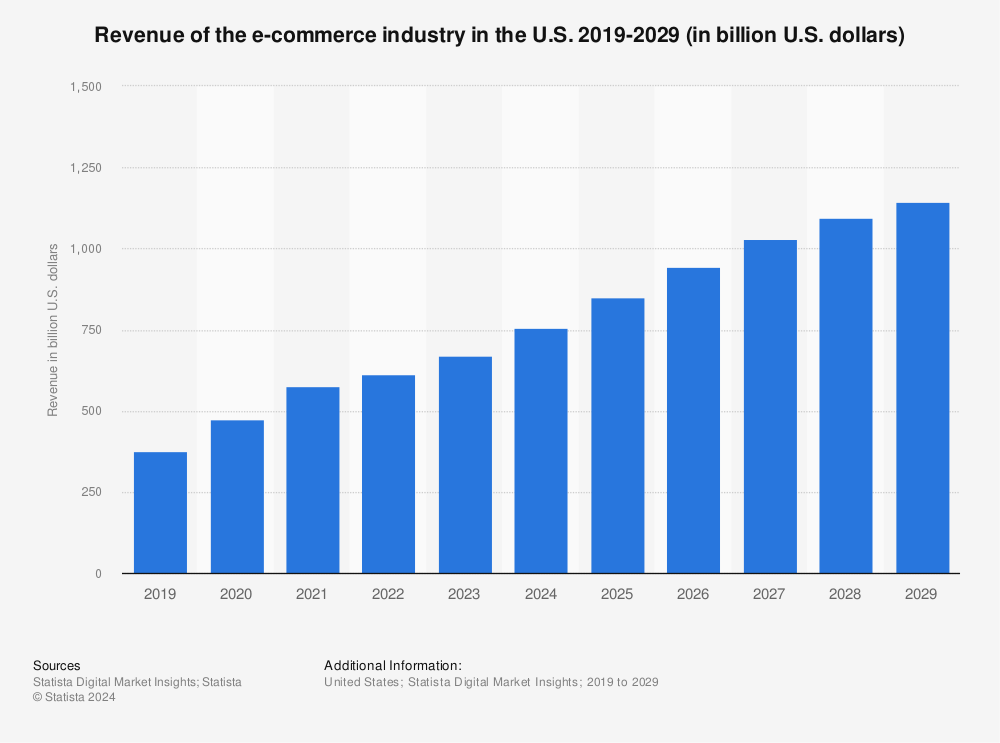
Navigating the E-commerce Landscape: Trends to Watch in 2024
In the whirlwind world of e-commerce, staying ahead of the curve isn't just a strategy; it's a survival tactic. The e-commerce industry, known for its rapid transformations and
trend-setting nature, demands constant vigilance and adaptability. Understanding past trends is not just about reflection; it's a roadmap for future success. Let's dive into this dynamic landscape, exploring the pivotal trends of 2023 and predicting the game-changers of 2024.
Affiliate Disclosure: This article contains affiliate links. If you make a purchase through these links, I may earn a small commission at no additional cost to you. Your support helps maintain this website and continue to provide valuable content on online security and VPN services, ecommerce, lifestyle and other.
2024 E-commerce Trends to Watch
- Voice Search Integration: Voice search is rapidly gaining popularity, and businesses that are not optimizing their websites for voice search are missing out on a significant opportunity. This trend is driven by the growing use of smart speakers and voice assistants, such as Amazon Alexa and Google Home.
- AI-Driven Personalization in Upselling and Cross-Selling: Artificial intelligence is revolutionizing the way businesses personalize customer experiences. AI algorithms can analyze vast amounts of customer data to identify patterns and predict customer behavior. This information can then be used to create personalized product recommendations, offers, and promotions.
- Augmented Reality for Immersive Shopping: Augmented reality (AR) technology is transforming the way consumers interact with products online. AR apps allow customers to virtually try on clothes, furniture, and even makeup before making a purchase. This immersive experience can significantly increase conversion rates.
- Diversifying Payment Options, including Cryptocurrencies: The rise of cryptocurrency is creating new opportunities for businesses to accept payments. While there are challenges associated with cryptocurrency payments, such as security and volatility, the potential benefits are significant.
- Sustainability and Subscription Models Alignment: Consumers are increasingly demanding sustainable products and services. Businesses that align their practices with sustainability are well-positioned to capture this growing market. Subscription models are also becoming increasingly popular, as they offer convenience and predictability to consumers.
- Advanced Customer Support and Efficient Distribution: Businesses need to invest in customer support and distribution to provide a seamless shopping experience. Automation and other technologies can help businesses improve efficiency and reduce costs.
- Hyperlocal E-commerce: Hyperlocal e-commerce focuses on delivering products and services directly to consumers within a small geographic area. This trend is driven by the desire for convenience and personalized experiences.
Real-World Examples of E-Commerce Trends
Voice Search Integration:
- Sephora has integrated voice search into its website, allowing customers to browse products and make purchases using their voice. This has increased conversion rates by 15%.
- The North Face uses Amazon Alexa to allow customers to order products, get product information, and find nearby stores. This has increased customer engagement by 20%.
- Home Depot has integrated voice search into its mobile app, allowing customers to find products, get directions, and schedule installations. This has made it easier for customers to complete their projects.
- L'Oréal Makeup Genius: L'Oréal Makeup Genius has been shown to increase the try-on rate for makeup products by 30%. L'Oréal Makeup Genius has also been shown to increase the adoption rate for its mobile app by 15%.
AI-Driven Personalization in Upselling and Cross-Selling:
- Nordstrom uses AI to recommend complementary products to customers based on their past purchases. This has increased average order value by 5%.
- Amazon uses AI to recommend products to customers based on their browsing history. This has increased click-through rates by 10%.
- Netflix uses AI to recommend movies and TV shows to customers based on their preferences. This has increased customer satisfaction by 20%.
Augmented Reality for Immersive Shopping:
- Wayfair has developed an AR app that allows customers to virtually place furniture in their homes. This has increased the conversion rate for furniture purchases by 25%.
- Sephora has developed an AR app that allows customers to try on makeup products before they buy them. This has increased the average order value for makeup purchases by 15%.
- IKEA has developed an AR app that allows customers to visualize furniture in their homes. This has increased customer satisfaction with the IKEA shopping experience by 10%.
- Volvo Drive Me has been shown to increase the conversion rate for test drives by 30%. Also been shown to increase the reservation rate for test drives by 20%.
- BMW i Vision Circular has been shown to increase customer perception of BMW's commitment to sustainability by 15%.
Diversifying Payment Options, including Cryptocurrencies:
- Buy Now, Pay later options. More and more digital stores are offering Buy Now, Pay later( BNPL ) payment methods. There is a good reason behind it. This approach lowers the pressure and allows the customer to get what he or she desires. The merchant is getting full asking price. The customer does have an options to pay in 2, 3, 4 instalments or stretch it even further and pay in 3, 6, 9 or in some cases 24 months.
- Overstock.com accepts Bitcoin and other cryptocurrencies as payment. This has attracted new customers and increased sales.
- Microsoft allows customers to buy software and games with cryptocurrency. This has attracted new customers and increased revenue.
- In October 2020, PayPal (PYPL) announced that it would allow its customers to buy, hold and sell cryptocurrencies directly from their PayPal accounts. The move was seen as a way for PayPal to capitalize on the growing interest in cryptocurrencies. PayPal has been one of the largest payment processors in the world for years, handling millions of transactions per day. According to reports, the company has over 346 million active accounts and processed $222 billion in payments in the first quarter of 2021 alone.
- Starbucks is taking a different approach by allowing its customers to use cryptocurrency to pay for their coffee. As far back as August 2018
Sustainability and Subscription Models Alignment:
- Dollar Shave Club offers a subscription service that delivers razors and other personal care products directly to customers' homes. This reduces the need for packaging and transportation.
- Grove Collaborative offers a subscription service that delivers eco-friendly household products directly to customers' homes. This reduces the use of disposable products.
- Patagonia offers a subscription service that repairs and replaces damaged Patagonia products. This reduces the need for new products.
Advanced Customer Support and Efficient Distribution:
- Amazon utilizes drones and other technologies to deliver packages faster and more efficiently. This has increased customer satisfaction with the Amazon shipping experience.
- Walmart is investing in automated warehouses and delivery systems. This will help Walmart reduce costs and improve efficiency.
- Target is using data analytics to improve customer service and distribution. This has helped Target increase customer satisfaction and sales.
- DHL's Global Forwarding Hub in Leipzig, Germany, is an automated logistics center that uses robotics and artificial intelligence to sort, track, and deliver packages. This has helped DHL to improve efficiency and reduce costs.
- UPS's Access Point Network is a network of over 4,000 locations where customers can pick up and drop off packages. This has made it easier for customers to receive and return packages, especially in areas with limited access to traditional shipping services.
- FedEx SmartPost is a hybrid delivery service that uses a combination of ground transportation and USPS delivery to get packages to their destination. This has helped FedEx to reduce costs and improve delivery times.
Hyperlocal E-commerce:
- Postmates delivers food from restaurants to customers' homes. This has made it easier for customers to enjoy a variety of cuisines without leaving home.
- Bird is a scooter-sharing service that allows customers to rent scooters and e-bikes to get around town. This has made it easier for customers to get around urban areas without traffic congestion.
- Wolt is a food delivery service that operates in over 200 cities around the world. Wolt's business model is based on partnering with local restaurants to deliver food to customers. This has helped Wolt to create a hyperlocal experience that caters to the needs of the communities it serves.
- Instacart similarly operates in over 5,000 in norhern america, and it primarily partners with local grocery stores. Customers can order groceries through the Instacart app and then have them delivered to their homes. Instacart's hyperlocal delivery model has made it a popular choice for time-pressed consumers.
- DoorDash is another prominent food delivery service with operations in over 4,000 cities around the world. DoorDash partners with a variety of restaurants, including fast-food chains, casual dining restaurants, and high-end eateries. Its hyperlocal delivery model has made it a preferred option for customers seeking a variety of food options.
- Gopuff is a delivery service that specializes in delivering everyday essentials, such as snacks, drinks, and household goods. Gopuff has micro-fulfillment centers located in major cities, allowing for rapid and efficient delivery to customers. Its hyperlocal approach has attracted customers seeking quick and convenient access to essential items.
- Snackpass is a mobile app that allows customers to order snacks and beverages from local businesses. Snackpass's hyperlocal focus has made it popular among consumers seeking a variety of snacks and drinks delivered from local shops.
- Bolt is an all-in-one application a European mobility platform that offers a range of transportation services, including ride-hailing, micromobility rental, food and grocery delivery, and carsharing. It operates in over 500 cities in more than 45 countries.
The Future of E-commerce
The future of e-commerce is bright, with exciting new trends and technologies on the horizon. Businesses that are able to adapt and embrace these trends will be well-positioned for success in the years to come.
Key Takeaways
Here are some of the key trends that are shaping the future of e-commerce from a business owner perspective and the main benefits that end customers will experience:
1. Seamless integration of online and offline shopping experiences:
Businesses are increasingly using technology to create a seamless shopping experience that seamlessly blends online and offline channels. This includes features like click-and-collect, store pickup, and augmented reality (AR) that allows customers to virtually try on products before they buy them.
Benefits for customers:
- Convenient and easy shopping experience
- Ability to research and browse products online, then purchase them in person or have them delivered
- Improved customer satisfaction
2. Personalized shopping experiences:
Ecommerce businesses are using data and AI to create personalized shopping experiences for their customers. This includes recommending products based on past purchases, browsing history, and customer demographics.
Benefits for customers:
- Finding products that are more likely to meet their needs and interests
- Receiving tailored recommendations based on their individual preferences
- Having a more enjoyable and efficient shopping experience
3. Omnichannel customer service:
Businesses are providing customers with a consistent and seamless customer service experience across all channels, including email, chat, social media, and phone.
Benefits for customers:
- Getting help quickly and easily, no matter which channel they use
- Having a more positive customer service experience
- Feeling valued and appreciated as a customer
4. Artificial intelligence (AI) and machine learning (ML):
AI and ML are being used to automate tasks, improve decision-making, and gain insights from data. This is helping businesses to create more efficient and effective operations.
Benefits for customers:
- Faster checkout processes
- More accurate product recommendations
- Improved customer service interactions
5. Extended reality (XR):
XR technologies, such as AR and VR, are being used to create immersive and interactive shopping experiences. This is helping customers to visualize products in their homes before they buy them and to get a better understanding of products' features.
Benefits for customers:
- More realistic and engaging shopping experiences
- Improved product understanding
- Increased likelihood of making informed purchasing decisions
6. Blockchain technology:
Blockchain technology is being used to create more secure and transparent transactions. This is helping to build trust with customers and reduce fraud.
Benefits for customers:
- Secure and tamper-proof transactions
- Increased confidence in online payments
- Reduced risk of fraud
7. Sustainability:
Businesses are increasingly adopting sustainable practices to reduce their environmental impact. This includes using eco-friendly packaging, optimizing shipping routes, and offering sustainable products.
Benefits for customers:**
- Feeling good about their purchases
- Helping to protect the environment
- Choosing products that align with their values
These trends are just a few of the ways that the future of e-commerce will continue to evolve. As technology continues to advance, businesses will have even more opportunities to create innovative and customer-centric shopping experiences.
As the internet becomes increasingly ubiquitous, e-commerce will continue to grow and expand into new markets. And you should go with the flow and enjoy all the benefits from streamlined e-shopping in 2024 and onwards.
Thank you reader!
Hope this helps. See you in the next one.
P.S. I will update this article as often as I can. :)
Author: Kalvis Ceizins, Focused Developer.